It’s been so long since we posted to this site that I had to watch the tutorials to remember what to do! I decided the best thing to do was to start all over again with a fresh reset. I was going to just delete everything. Start fresh. But then I decided that I would leave all the old stuff there just to remind me to be more intentional in keeping things current. I’ll consider this to be an experiment. If it works, you will hear from us more often! If not, who knows? I may just have to delete the entire site out of embarrassment.
Who are we and why are we here?
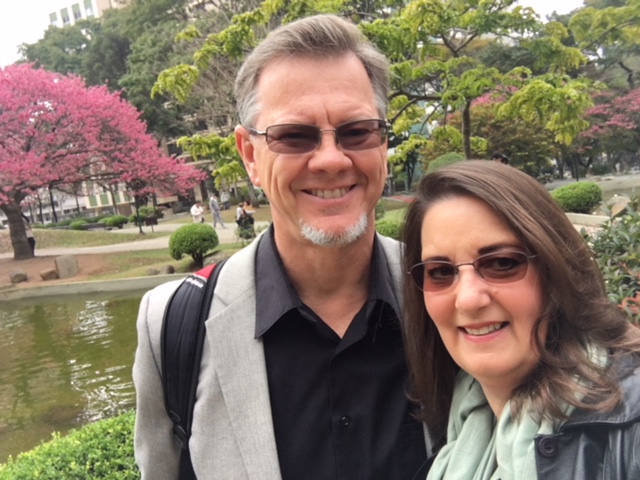
We are Mark and Caron Johnson and have served with the International Mission Board (IMB) of the Southern Baptist Convention for 30 years. We have served in many capacities in Brazil over the years, but here, I want to focus specifically on two areas: Leadership Training and Prayer. Our purpose here is to give you an idea of what we are doing in the area of Leadership Training in Brazil and provide you with some concrete ways you can partner with us. The single most important way you can partner with us is through prayer.
Leadership Training – 3 levels
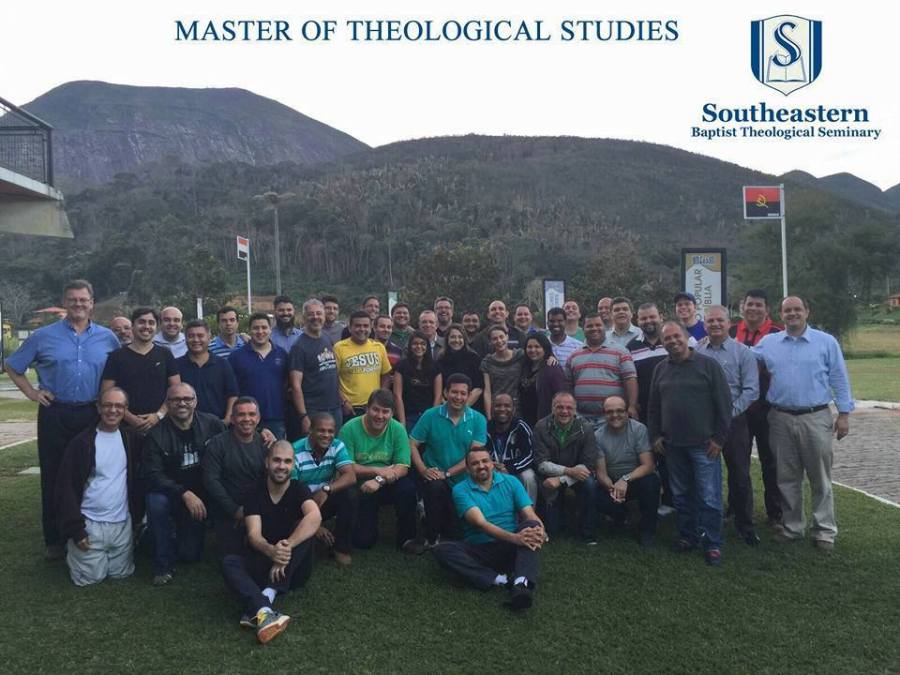
Advanced – this usually involves Masters Level work at one of our Brazilian Baptist convention seminaries in partnership with one of our SBC Seminaries. These classes are usually online.
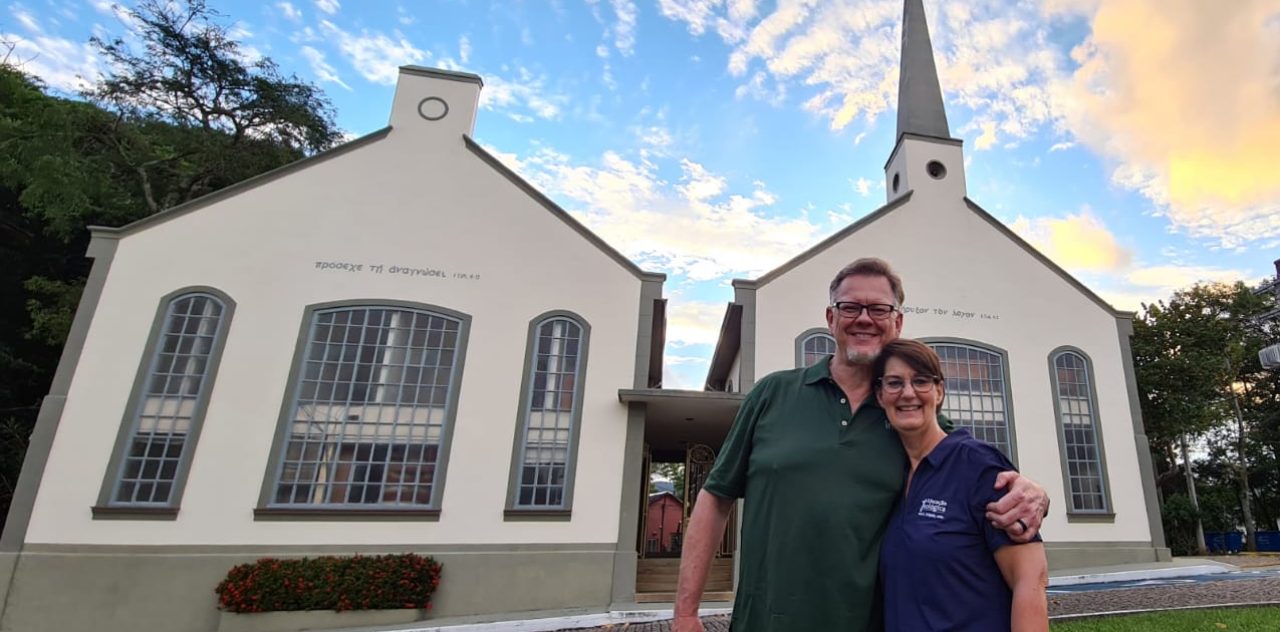
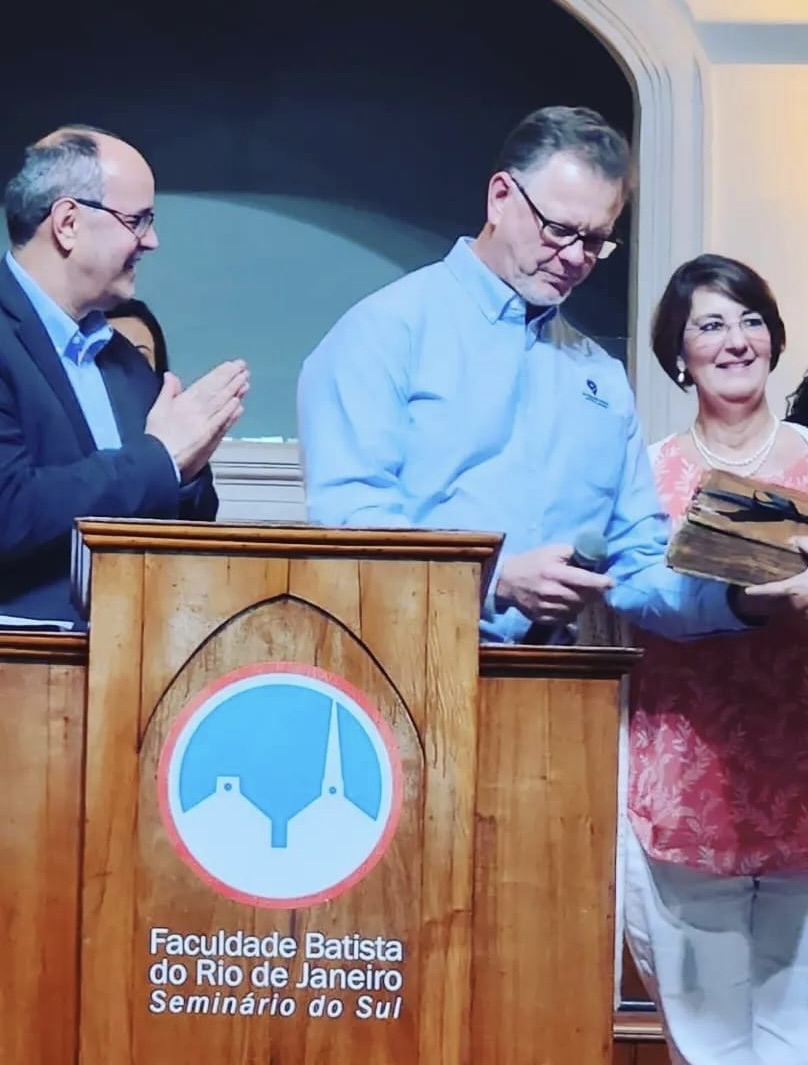
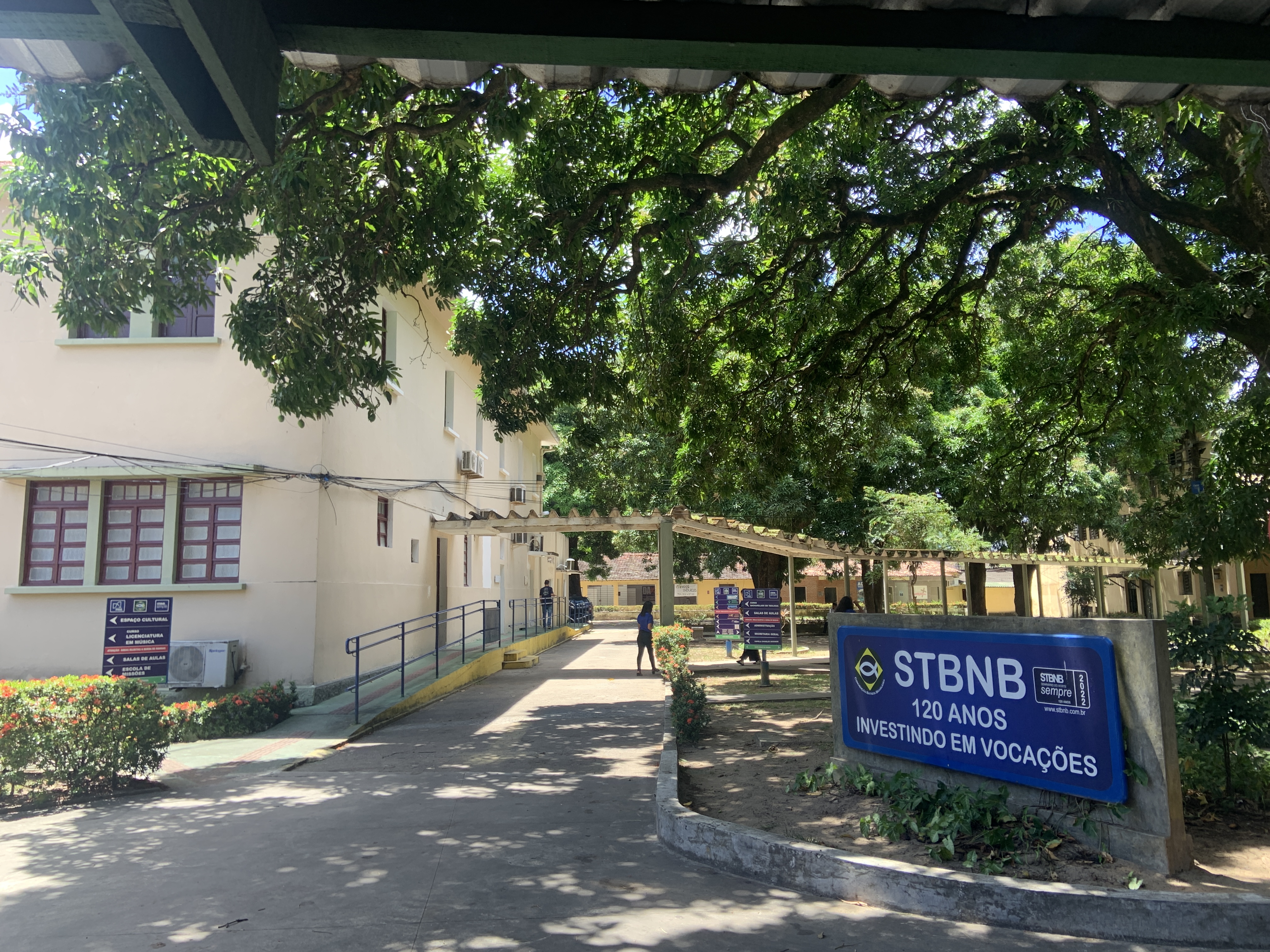
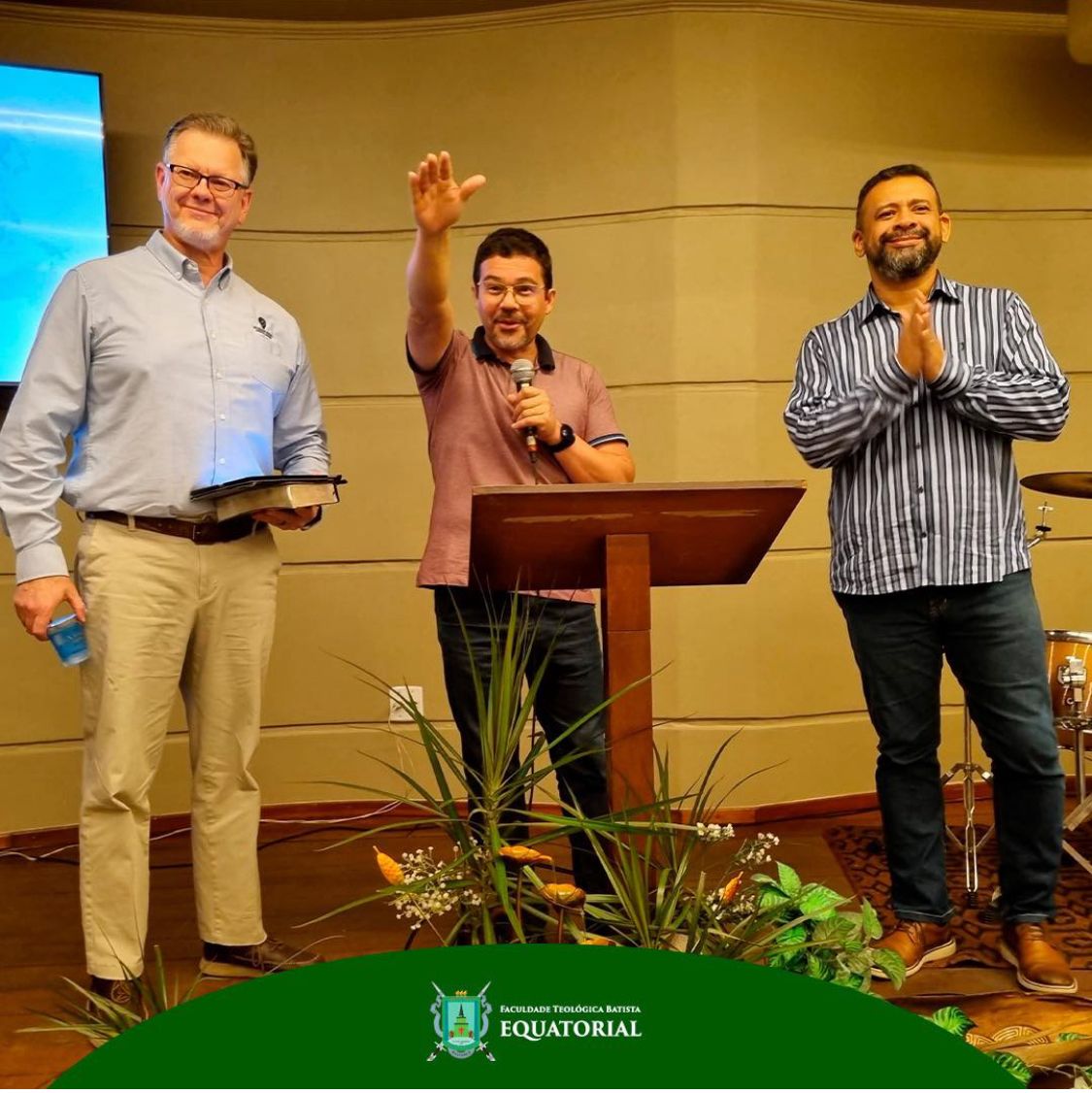
Formal – this involves teaching in person, or online at the Bachelors level in one of our Brazilian Baptist Convention seminaries (Photos below show South Brazil Seminary in Rio, North Brazil Seminary in Recife, and Equitorial Brazil Seminary in Belem).
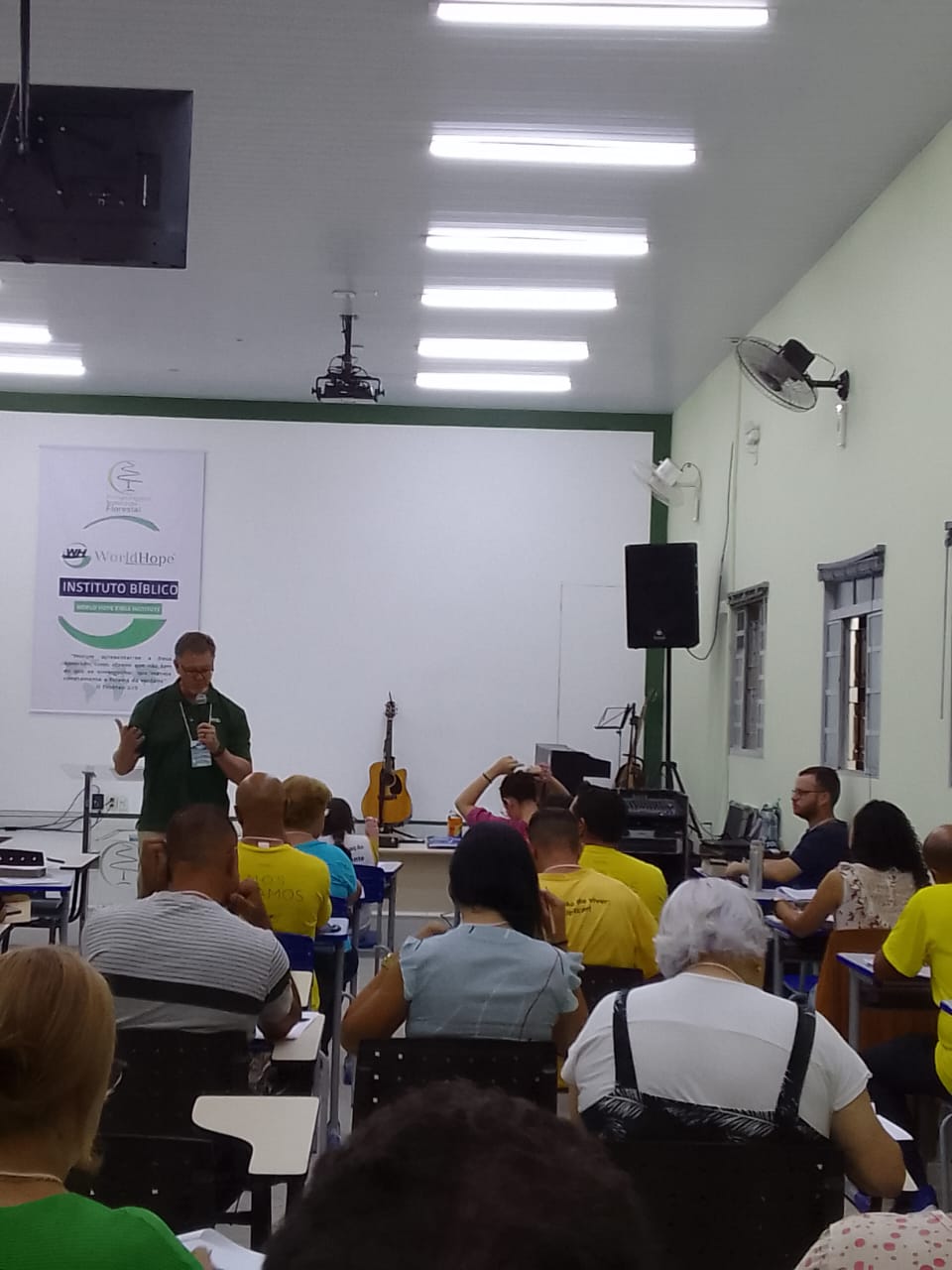
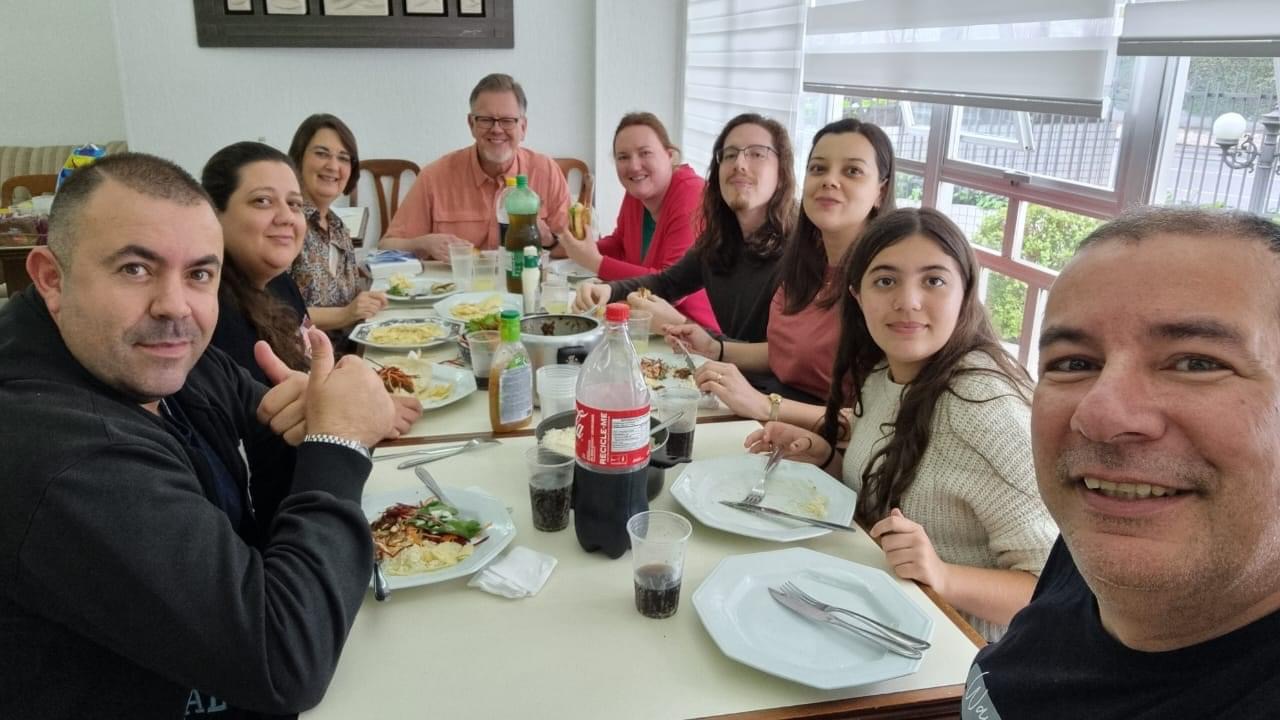
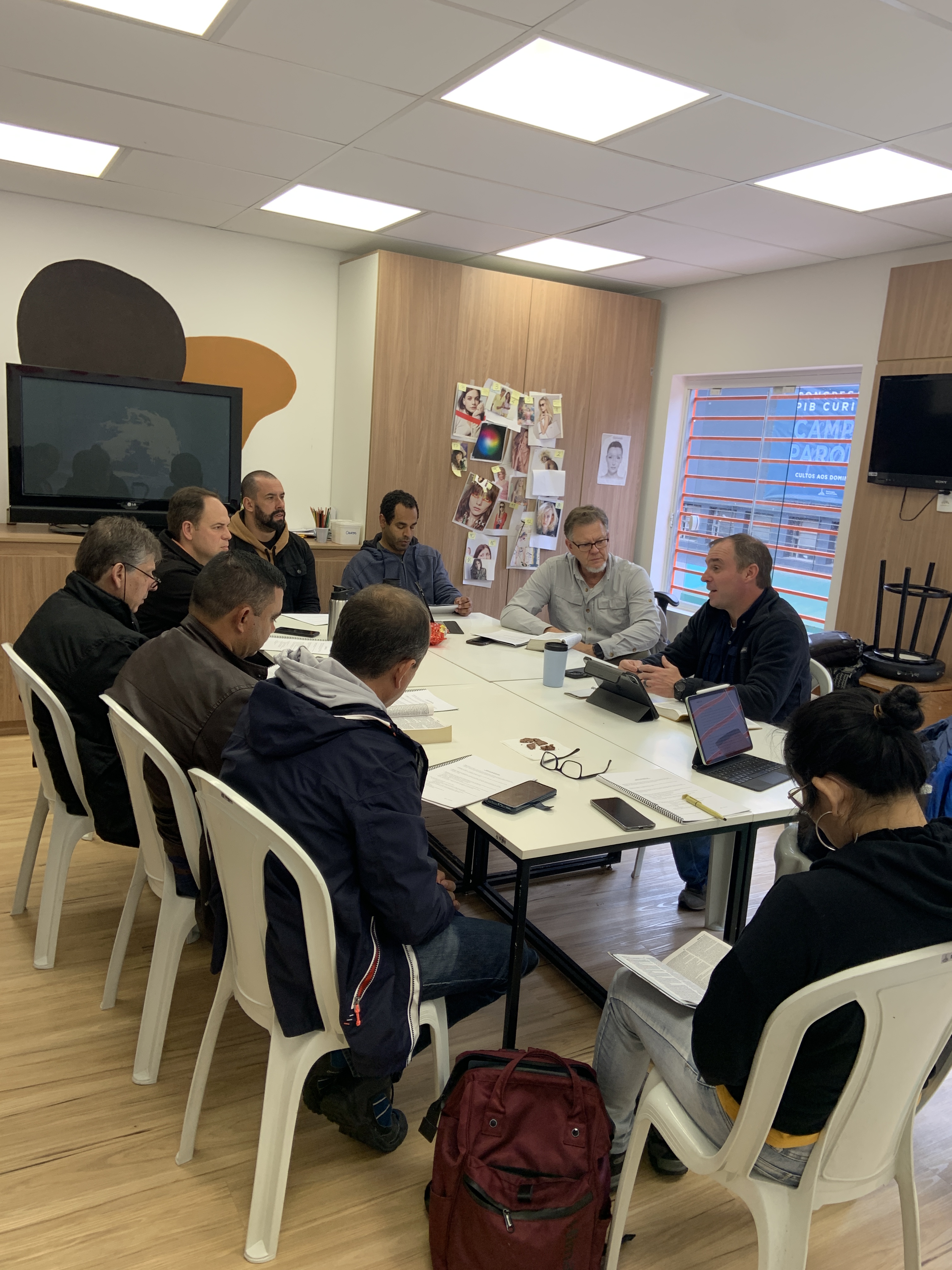
Informal – this refers to teaching and training that happens at the local or small group level. It can be anything from weekend or week-long intensive training, hosted by a State Convention, Baptist Association, Bible Institute, local church level, small group, or even individual mentoring. (Below you can see an associational level training event, a “graduation” dinner for discipleship students completing all 4 books of MasterLife and a local church leadership trining event.)
Prayer Requests:
Thanksgiving is coming up and we are so thankful for all who so faithfully support us with their prayers. We could not do what we do without your prayer support. Here are some specific ways you can pray for us:
Holiday times can be a bit lonely when one is far away from family. Pray for us, our children, our grandchildren and our extended family, while we are apart from one another during the Thanksgiving and Christmas holiday season.
Pray for us as we begin scheduling our teaching/training commitments for 2024. There are always more requests than we can fill. Pray for wisdom in knowing which commitments to prioritize. We will be posting some opportunities in the future for you to join us in some of these training initiatives here in Brazil. Stay tuned!
Pray for your church and your pastor. The end of the year can be a very busy time in the life of the local church. Pray that all will take the time to focus on worship. Ask your pastor how you can help – make an evangelist visit with him or disciple a new believer. You will be blessed as you serve within your church.
I don’t believe we have ever had a year quite like this one! We celebrated some pretty significant milestones, worked “away from home” extensively, moved (again!) and continue to help provide leadership for our local congregation and lead weekly small group Bible studies in our home. I apologize for our lack of communication this year. Our crazy schedule this year has had me struggling just to keep up. But, I do want you to know that you are never far from our thoughts and prayers.
Allow me to share a bit from a slightly modified Philippians 1:3-12
“We give thanks to our God for every remembrance of you, always praying with joy for all of you in our every prayer, because of your partnership in the gospel from the first day until now. We are sure of this, that He who started a good work in you will carry it on to completion until the day of Christ Jesus. It is right for usto think this way about all of you, because we have you in our hearts and you are all partners with us in grace, both in our teaching ministry and in the defense and establishment of the gospel. For God is our witness, how deeply we miss all of you with the affection of Christ Jesus. And we pray this: that your love will keep on growing in knowledge and every kind of discernment, so that you can approve the things that are superior and can be pure and blameless in the day of Christ, filled with the fruit of righteousness that comes through Jesus Christ to the glory and praise of God. Now we want you to know, brothers and sisters that what has happened to us has actually resulted in the advance of the gospel.”
Here are some of the highlights from the year.
FAMILY:
On May 6, we gained a beautiful daughter-in-love, Rebecca Mullinax Johnson. Our son, Stephen and his lovely bride now live in Euless, TX.
While there for the wedding, we were able to visit our daughter Sarah, son-in-law, Beau, and the two grandest of grandsons, Owen (now 3) and Elliot (soon to be 2). They now live in Princeton, TX.
Mark and Caron were able to spend a short time with each of their mothers, both of whom have had several falls, broken bones, and other health challenges this year.
In September, we moved to a new apartment. This marked our 12th move in our 32 years of marriage, 7 of those in the last 16 years. I guess it’s no wonder Mark always asks, “Caron, do you know where I can find _____?”
In October, we celebrated our 25th anniversary as career missionaries with the IMB. We have been in Brazil all that time (except for the occasional furlough and stateside assignment).
MINISTRY: (Thank you for making all this possible through your prayers and financial support.)
In looking back over the calendar, there were 152 day this year where one or both of us were traveling, working away from home! No wonder we are tired!
Mark has traveled extensively this year, teaching week long “intensive” courses, where students receive 40 hours of lecture (an entire semester’s worth of material) in one week. Sometimes he writes the course content he teaches in Portuguese; other times, he is the translator for visiting American professors.
Mark has mentored masters level students and has provided orientation for 7 of these students working on their dissertations. Some of his students have included senior leadership in the Brazilian Baptist Home Mission Board, as well as pastors and Brazilian Home Missionaries.
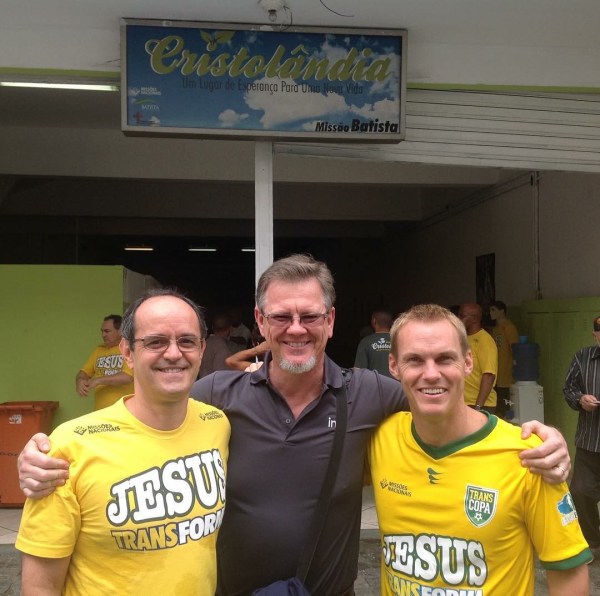
Mark accompanied Dr. David Platt, president of the IMB on part of his recent trip to Brazil and had the privilege of translating for him at “Crist-o-landia”, a neighborhood formerly known as “crack-o-landia” (due to the high number of drug addicts who live on the street). Dr. Platt and Fernando Brandão, President of the Brazilian Home Mission Board, were there to give a message of hope to those on the streets and share about the transformative power of the Gospel through Jesus Christ.
Mark lectured extensively this year on the 500th anniversary of the Great Reformation, with materials he wrote concerning Baptist History of Missions in light of the Great Reformation. He also has written numerous articles (in Portuguese) for publication in Brazil.
Mark taught on-line classes for several different theological institutions, and is currently preparing materials for upcoming classes to be recorded early in 2018.
Caron also has been working with Brazilian students who are writing their dissertations in English. She has had the privilege of walking alongside these dedicated students studying and writing in a second language. Caron serves as a reader and editor for these students.
Caron traveled on a monthly basis, teaching Theological English at the Litoral Baptist Seminary in Santos, São Paulo.
Caron prepared materials for the on-going weekly Bible study that meets in their home, and has had the privilege of mentoring and discipling 8 ladies on a one-on-one basis, in addition to the on-going ministry of the small group.
We were saddened by the recent loss of a dear friend (member of our small group) who passed away after battling cancer, and have walked with his family and friends as we have grieved together.
Finally, here are some upcoming ministry opportunities we want you to be aware of for 2018. Please pray about how you can be involved with us. If interested in more details, send a message to caron.johnson@gmail.com
We are looking for one or two single girls (min. age 22) or a young married couple (no kids) who would be willing to teach ESL (English as a Second Language) for a semester. No experience necessary. We will provide the training you need.
We are looking for a church who would be willing to help host a ladies’ weekend event at the International Congregation of our church. We are looking for a key-note speaker for 2-3 events. We would love to have 2-3 ladies come (a different one could speak at each event) and also have ways for a Sunday School group or the entire church to be involved in helping to host this event for English speakers in the city of Curitiba.
We are looking for pastors, seminary students, and laymen interested in partnering with us in teaching initiatives in several different locations in Brazil in 2018.
We wish each of you the Very Merry Christmas and a Happy New Year!
Usually, when we write about ministry commitments / teaching opportunities away from home, Mark is the one traveling and I am home. This time, our roles were reversed. I just returned from an exciting week of ministry in the town of Santos (in the state of São Paulo), where I was invited to teach a week long intensive ESL (English as a Second Language) course. This course was sponsored by the Litoral Baptist Theological Seminary, and open to their students as well as others in the community.
Litoral means coast; as you can see there is a beautiful coastal view in the port city of Santos. Yet the other two pictures show more of the urban reality. While considered a small city by Brazilian standards, this city of 434,000 people is home to the Baptist seminary that serves the entire area known as the Baixada Santista.
The Baixada Santista is a metropolitan area located on the coast of São Paulo state in Brazil, with a population of 1.7 million. Its most populous city is Santos. As an administrative division, it was created in 1996. It consists of 9 municipalities. https://en.wikipedia.org/wiki/Baixada_Santista
Many of the seminary students drive anywhere from 60 to 90 min, one way (depending on the traffic) after working all day, in order to attend three hours of classes in the evenings. Given the fact that the students would be arriving to class tired from a full days work and driving through stressful traffic conditions just to get there, I was faced with the dilemma of what I could actually teach them that would be of value in only 5 nights. The students were a mixed group, with the majority being true beginners, many with zero understanding of the English language, and a few who were intermediate level learners. Twenty-four students in all made this an interesting group to work with. Pr. Dilean Melo, the Rector of the seminary has a vision for offering masters level studies within the next few years (currently, they offer only bachelor’s level courses). With so many quality theological resources available at a low cost in English (many even free, in digital formats), the goal is to is to equip students with a course designed to meet their unique academic needs.
I have taught ESL as a ministry here in Brazil for over 20 years. One of my favorite resources was published by the the Home Mission Board of the Southern Baptist Convention (now known as NAMB) back in the late 1980s. This material uses the Gospel of Mark to systematically teach grammar, vocabulary, listening skills, writing, pronunciation and conversation while at the same time presenting a clear gospel message. Using this material as my basic text, and additional materials which I have compiled over the years, I planned for this 15 hour “language immersion” week. While I have taught this material over the course of many semesters in different locations in the past, I wasn’t sure how it would work to cram a lot of information into tired brains and bodies after a long hard day, 5 nights in row in a language not their own. I began to pray for God to show me what He wanted to be the end result of this “experiment”. Several weeks after I began praying about this opportunity the Lord impressed upon me to invite a young lady from my weekly Bible study group to assist me. Usually I teach this material alone, but I felt this would be a good opportunity to train someone else in this method. So, I invited Myland to join me for the week’s teaching.
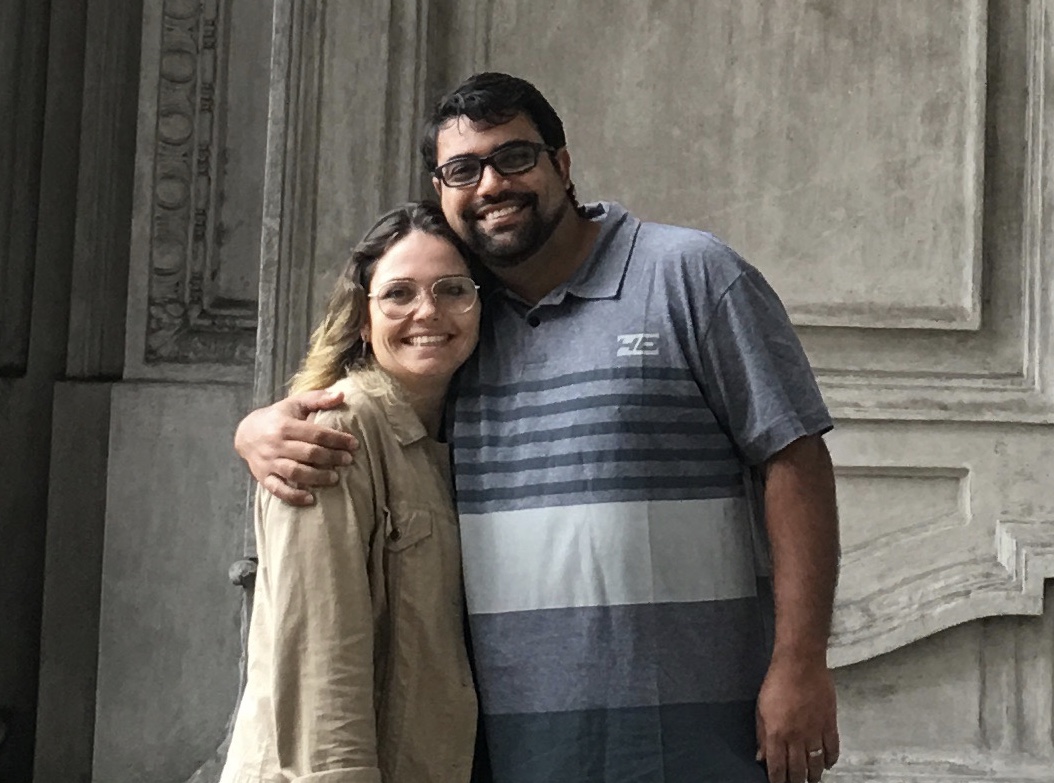
Myland is from Indonesia and married to a Brazilian. I met her through the ministry of the International Congregation from the First Baptist Church of Curitiba. Shortly after moving to Brazil a year and half back, Myland and her husband André began attending our bi-lingual Bible study group that meets in our home. Myland has a passion for evangelism, a servant’s heart and I soon discovered, was a very creative teacher! She and I taught “tag-team” style that was so natural, it could only be attributed to God answering our prayers! It was as if we had been team teaching together for years!
As the week progressed and the students really began to show their hunger for learning the Lord impressed upon us that this one week was only the beginning of something even bigger than what we had initially imagined. The result: I will be returning to Santos one weekend a month, teaching 3 classes (1 on Friday and 2 on Saturday) to this group and one other pilot program for a small advanced-level class. In addition, I am developing the on-line component for the students to continue their study with me via distance education during the month. Our goal is that students will complete the basic course in the first year, the intermediate course in the second year, and by the third year, the students will be ready for a rigorous academic study focusing on reading and writing theological English.
I am thankful for this unique opportunity from the Litoral Baptist Theological Seminary. I am thankful to Southern Baptists for producing high quality materials. I am thankful for the students’ willingness to spend long hours studying English, in addition to their other seminary courses, full time jobs and family responsibilities. I am thankful that Myland was able to go with me and assist me. I am thankful that our husbands (André and Mark) were willing to let Myland and I leave them to fend for themselves for the week. And, I am thankful for Pr Dilean, his wife Vania and their lovely family who so graciously hosted us for the week, took care of all our expenses, and made the course affordable for the students. I’m looking forward to next month’s classes already.
I recently returned home from a two-week teaching trip in Brazil’s Northeast. In a real sense for me, this was getting back to my “missionary roots.” Before moving to Brazil’s south fourteen years ago, Caron and I spent eight years ministering in Minas Gerais. Minas Gerais is a Texas-sized state located in Brazil’s Southeastern region. Much of the state of Minas Gerias is economically and logistically linked to the states of São Paulo and Rio de Janeiro, the two states that make up the southern and southeastern borders of Minas Gerais. This region of Minas Gerais is a land of mountains, mining, and great coffee. It has cool winters and warm summers, and is lovely beyond words and was “home” to us for the early part of our ministry.
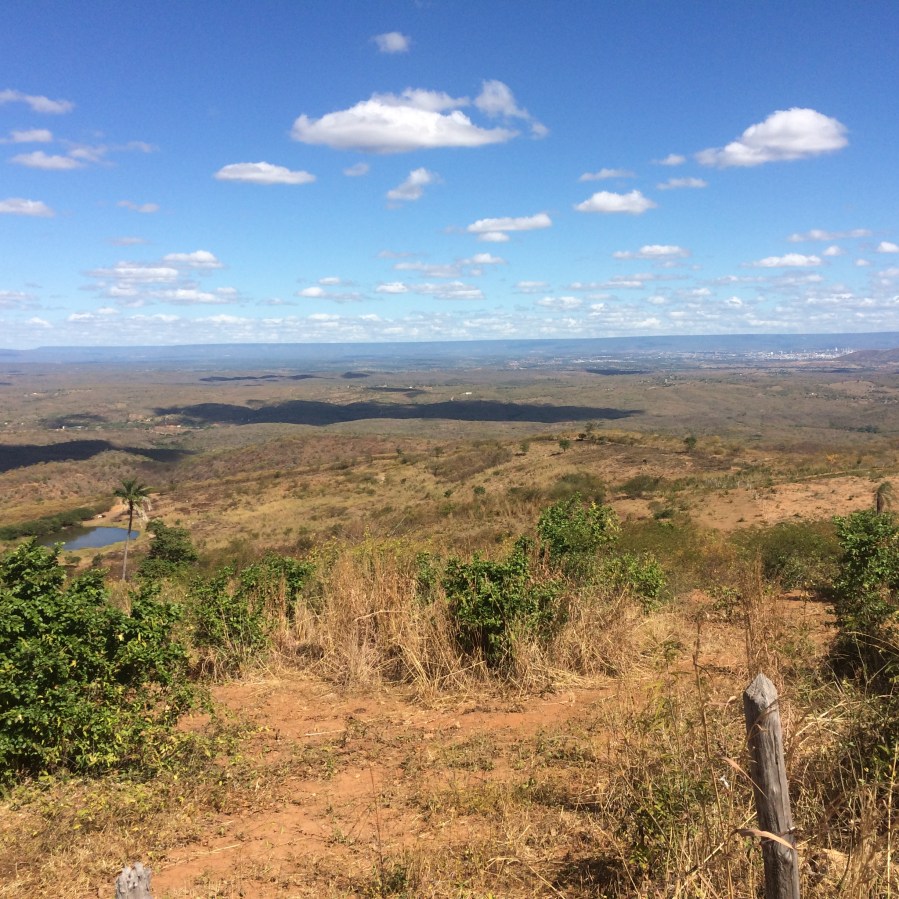
However, there is another part of Minas Gerais that is not the stuff of lovely post-card pictures. This other region has a beauty of its own, but it has a hard side as well. It can be hot, dry, and even survival is hard. This is Minas Gerais’ northeastern region known as the Valley of the Jequitinhonha. This is one of the poorest regions in Brazil and is the beginning of a vast semi-desert region known as the Sertão.
The Sertão stretches from northeastern Minas Gerais to the state of Ceará, where I was last week. It is a region whose rain patterns are directly affected by the Ocean currents popularly known as “El Niño” and “La Niña.” When ocean waters regularly warm in the Pacific, the “El Niño” effect, this directly impacts patterns of air circulation globally. Winds that would have come in from the Atlantic to bring rain to Brazil’s Sertão simply do not arrive. Hence, it is a region that experiences cyclical drought. As a result, farmers can lose an entire crop in any given year. If this occurs two years in a row, it can have disastrous consequences for those who live there.
I’d like to share with you the three things that God taught me while I was ministering in the Sertão recently:
Hard times need not necessarily make hard, harsh people.
As I have already said, Brazil’s Sertão is a hard region. It is not easy to live there. It is certainly not easy to farm there. It is not easy to stay there. The people who live in this region are tough and hardy. There is a saying among them that I will translate from Portuguese, “A Nordestino (Someone from the Sertão) is so tough that they can get milk to come out of a rock.” Dramatic rhetoric aside, it is true: The People of Brazil’s Northeast are tough and resilient. They have to be in order to live there.
Yet, they are kind souls. They are generous, warm and welcoming. A visitor to this region is greeted and received with the warmth extended to a long-time friend or family member. I could give you several examples. However, let me share with you an example that I still remember from our early days. Nearly 20 years ago I took my son, along with several other Brazilian Baptist friends, to the Valley of the Jequitinhonha. The weather was hot, the sun intense, and there was little or no water to be found. The suffering experienced by the people in that region was palpable. Yet, the warmth, generosity, and acceptance that I received remain lodged in my soul to this day. After several days staying with a family, the older matron of the family began to call my son, “o meu Galeginho” while simultaneously pinching his cheeks and kissing him. I could tell from the context that whatever it meant it was most likely good, but as a young missionary, I really wasn’t sure about the meaning. In my thickly accented Portuguese, I asked her, “What does that mean?” She responded saying, “You are a German (Portuguese = Alemão), i.e., a foreigner. He is a “Galego”, literally a Spaniard, i.e., a white person who is one of us.” Trust me, if there was anyone on the planet who did not look like one of them, it was my son, a tow-headed white-blond, fair-skinned boy, born in Kentucky. Yet, to her, he spoke Portuguese like one of them, so he was one of them. That gift of acceptance of my son as one of them is still a blessing that I treasure in my heart. It has kept me in Brazil. Accept my children and you accept me. Accept me, and it so much easier to stay.
This was a very poor family. There were holes in ceramic tile roof and you could look up at the stars while you slept at night on the floor. Yet, hard times did not make them bitter. Hard times made them better. On a different continent in a different day and time, my father was raised in the crushing poverty of the depression. Many times having meat for supper depended upon the sharp eyes of the shooter and his single .22 rifle shell. Thankfully, I never knew those types of hard circumstances first hand; my knowledge of those times came from my father’s stories. Yet, it was obvious that hard times did not make my father bitter. They made him grateful. He was a man whose life was characterized by a deep and abiding gratitude and joy. Whether it is a farmer living in Brazil’s Northeast today, an American being raised in the Great Depression, or any one of us today: Hard times need not make us bitter. By God’s grace, they can make us better. They can make us kinder, more compassionate, and more welcoming.
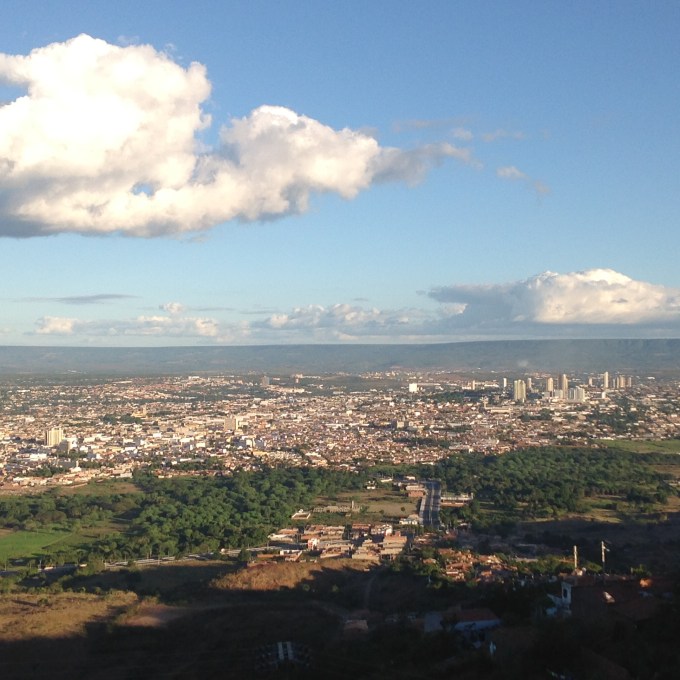
The green around the city is deceiving. In a few short weeks it will all be brown again.
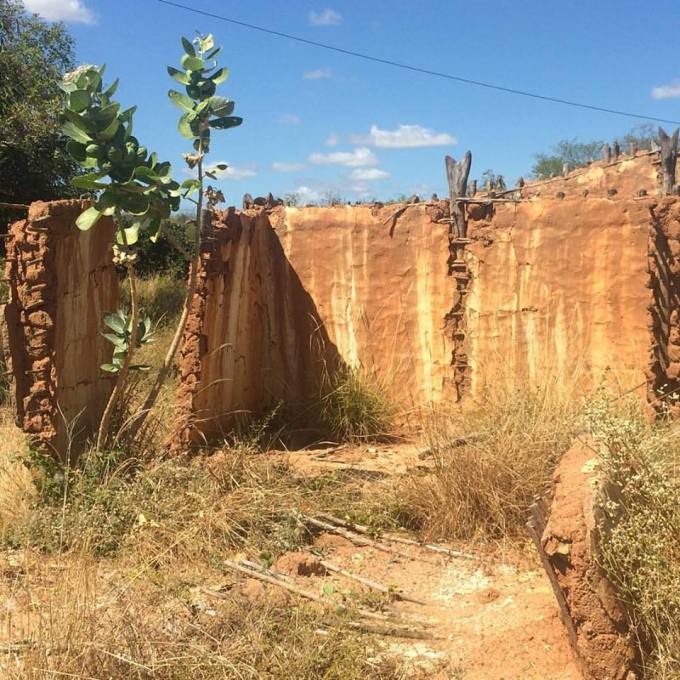
This abandoned house made of clay and small branches is just one more evidence of recurring drought in the region.
Spiritual challenges require apostolic passion and commitment.
Brazil is without question one of the world’s most religious countries. Brazil is a religiously diverse nation; the majority would identify with some form of Orthodox Catholicism or Protestantism. However, Brazil is also a country deeply imbued with many types of non-Christian religions and heterodox forms of Christianity. One particular form of unique religious expression is the veneration of Padre Cícero, which is particularly strong in Brazil’s Northeast.
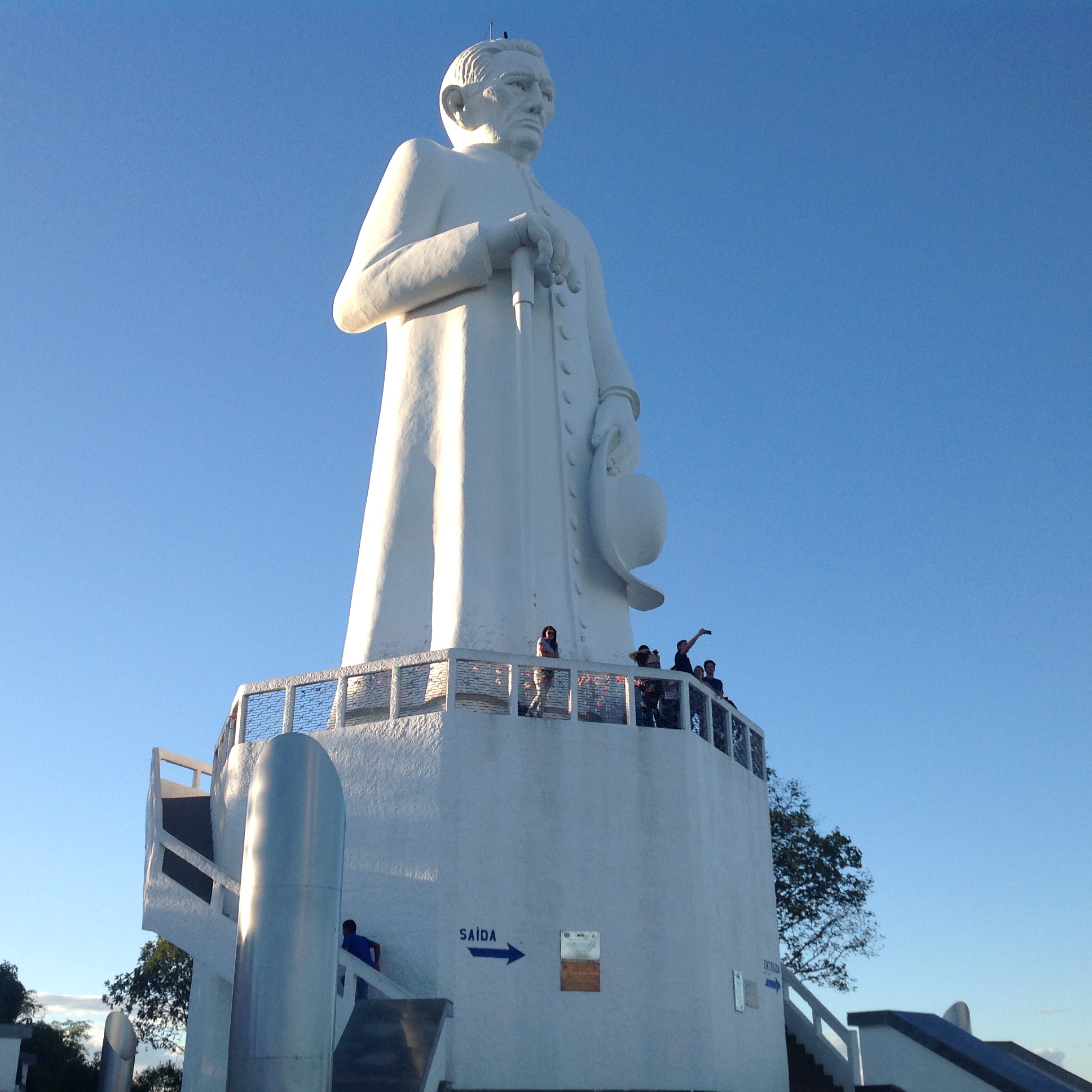
Padre Cícero is locally recognized in this region as a “popular” saint. He is believed to have miraculous powers, but the Roman Catholic Church does not officially recognize him. His following in Brazil’s Northeast rivals that of Marian veneration of Nossa Senhora de Guadelupe in Mexico or Nossa Senhora da Aparecida at the Bacílica da Aparecida in the state of São Paulo, Brazil. What makes this movement of particular interest is that Padre Cícero was excommunicated from the Roman Catholic Church near the end of his life, although he was reinstated posthumously last year into good standing. It’s hard to know exactly what Padre Cícero actually taught and/or believed during his lifetime. Certainly, many orthodox Roman Catholics during his lifetime considered him heterodox to the point of meriting excommunication. However, there is no doubt many today in Brazil’s Northeast look to him as a principal source of spiritual power, comfort, and consolation in their daily lives and struggles. In the midst of this cultural reality, profound, deep apostolic passion and conviction is needed on the part of those who would minster the Gospel in this region.
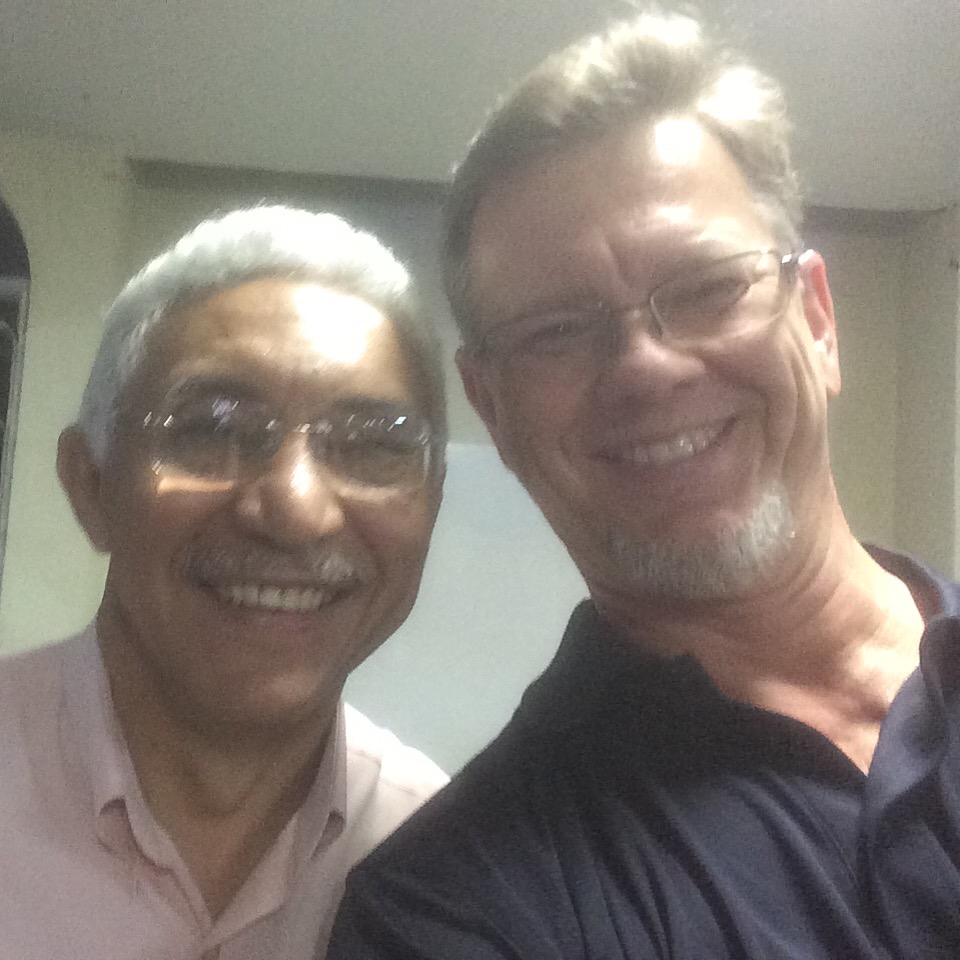
When I use the word “apostolic”, I am not using it in the primary sense of apostolic authority. In my theological and confessional tradition, primary apostolic authority is limited only to those who gave actual eyewitness testimony to Christ’s life and resurrection. Rather, I use the term in its secondary sense as one who has been sent on the “apostolic” mission of making Christ and His Gospel among those who still have not heard. To that end, when I think of apostolic passion, I think of my friend of many years, Pastor Washington Oliveira. I recently spent a week with him, and I was impressed once again with the importance of apostolic passion for Gospel ministry.
Pastor Washington was born in Brazil’s Northeast and has lived almost twenty years in the Sertão. His body, mind, and spirit is focused on one holy calling, making Christ’s Gospel known among the people who live in this region. Every conversation with him always works its way to the question, “How can the Gospel advance in the Sertão?” Every decision made by his local church passes through the same filter, “How will this local church’s decision contribute to church planting and evangelism in the Sertão, Brazil, and the world?” Most importantly, his prayer life is directed toward on-going intercession seeking God’s gracious blessings for the people of the Sertão. While with him, the prayer I most often heard was, “Lord, send forth more workers into your harvest.” With this type of passion, it is understandable how his church has been able to plant 15 churches in a region where previously there had been no Baptist work at all.
Wherever God might have you deployed in His mission, there are principles that can be learned from a servant like Pastor Washington:
Longevity in a place of ministry often lays the foundation for success in ministry. Pastor Washington has given 19 years of his life to his region. When he speaks, he speaks with apostolic authority. His love, concern, and credibility are recognized. Longevity in a given location is no guarantee of inevitable success in ministry, but a lack of long-term presence and credibility is often linked to a lack of success in ministry.
Intentionality in public ministry priorities defines a ministry’s direction and inevitable results. Something in a person’s ministry will have first place in terms of time commitment, personal interest, emotional affection, and investment of resources. For success to be attained Great Commission advance has to be intentionally prioritized at every level: personally, ecclesiastically, and institutionally. There are many “good things” in which a person can invest time, efforts, and energies, all in the name of missions and ministries. Kingdom success comes to those who intentionally choose the best Great Commission advance from among the many “good things” of ministry.
Passionate personal piety focuses on mobilizing laborers for Gospel Harvest. One of the phrases, I heard Pastor Washington repeat on multiple occasions was, “I have wept and pleaded with God …” What has so grieved our hearts that leads us to say, “I have wept and plead with God?” There can be no greater cause to bring before the Father than the cause of the advance of the Gospel in the communities where we live, work, and minister. Perhaps the greatest need we can place before the Father is to send more laborers to advance His Kingdom’s work.
Hard places require a mobilized missionary presence.
There are many hard places in the world. Hardness may be due to political unrest, religious hostility, geographic isolation, or climactic challenges. Brazil’s Northeast is most widely known for its climactic challenges. No matter what the reason, hard places and spiritual “lostness” often go hand in hand. For the Gospel to reach these hard places, it requires God called servants to hear His call and say, “Yes, I will go.”
Those who go can and should be willing to do whatever is needed to advance the Gospel: things like evangelism, discipleship, social ministry, and training leadership. All of these ministries are needed in Brazil’s Northeast. In particular, I took part in a leadership training project via the catalyzing ministry of Reaching and Teaching, http://reachingandteaching.org in cooperation with the Brazilian Home Mission Board of the Brazilian Baptist Convention, a local Southern Baptist church, and the International Mission Board (IMB).
The IMB has a growing commitment to seeing limitless teams of Southern Baptists deploying to the nations. If you or your church are praying about your involvement in global missions, I would ask you to prayerfully consider Brazil’s Northeast. The needs are profound: spiritually, climatically, and economically. You and your church can make a real difference in the cause of Great Commission advance. One of the great needs is for more laborers in the Great Commission Harvest. There are many places in the world where we can and should go where God’s servants are not necessarily well received. That doesn’t reduce our missional responsibility to go there. Yet, the fact that you will be well received in Brazil’s northeast by warm and generous people, people who are open to a Gospel witness, does not detract from the fact that they too are lost without the hope of the Savior. In that sense, the spiritual reality of Brazil’s Northeast is not altogether different from other hard places. Yes, it does require some intentionality to get there. Yes, the climate can be challenging. However, if you or your church is looking for a first place to be involved in missionary ministry, I would commend this region to you. If interested, you can contact me or the International Mission Board for more details.
Let me conclude with these words translated from a popular evangelical song that expresses so well the message that I want to leave with you:
Whether in sandals or in flip-flops
Eating dust and dirt
On a donkey or a bicycle
Or on top of a truck
The feet of those who preach the Gospel how lovely they are.
It does matter what you drive
It doesn’t matter who is driving
The important thing is get there
And preach the Gospel
The feet of those who preach the Gospel how lovely they are.
In the Book of Acts
God gives the same orientation
Be my witnesses in any and every place
The feet of those who preach the Gospel how lovely they are.
Many of you have walked with Caron and me through the ministry challenges of 2015 and 2016. They have been times of clarifying our call and place in God’s global mission via the International Mission Board of the Southern Baptist Convention. As the challenges of 2015 begin to recede into the distance, opportunities for greater Great Commission engagement loom continually larger in the present and future. I am thrilled to see the International Mission Board positioning itself for on-going Great Commission impact worldwide.
Dr. M. David Sills, my friend and doctoral supervisor at the Southern Baptist Theological Seminary, winsomely summarizes the Great Commission mandates as “reaching and teaching.”
Reaching is that part of the Great Commission mandate in which God’s people intentionally advance the Gospel among those who have never heard the Gospel, once heard the Gospel, or have heard it, but still have not effectually believed it.
Teaching is that part of the Great Commission that intentionally seeks to help ground believers in the “faith once and for all delivered to the Saints.” This grounding is based on the Biblical teaching as understood by the historic Christian Church, has life application and worship at its center, and is guided at all levels by a commitment to Great Commission expansion.
By God’s grace, the Johnsons are blessed to give themselves wholeheartedly to the teaching component of the Great Commission. My (Mark’s) primary task is to strengthen theological education in the Americas. My “official” job title is “Theological Education Consultant”. The team with whom I work seeks to influence theological education throughout Mexico and Latin America. I would like to share with you what my team is doing in order that each of you can more effectively pray before the Father on our behalf.
The Theological Education Consultant Team works with local missionary teams and Baptist partners (churches, associations, and conventions) throughout the Americas to help them in the area of their theological education needs.
Note: When we use the term “Americas” (with an “s” at the end), we are referring to Mexico, Central America, Latin America and South America, but not the United States of America.
Six priorities of the Theological Education Consultant Team
Each Theological Education Consultant brings some form of academic preparation to their task of relating to seminaries throughout the Americas. Most importantly, each one brings a strong sense of calling to and passion for theological education as an important and strategic means by which a new generation of Great Commission servants is developed and sent to the Nations. To accomplish this, each Theological Education Consultant is encouraged to exercise their teaching ministry and gifting. In this way, strategic relationships with Americas Baptist seminary leadership and partners are nurtured and developed. For example, this year I will be teaching a full gambit of courses in the area of Missiology: Theology of Missions, Missions Anthropology, History of Missions, and Missions Strategies. Whenever I teach, and wherever I teach, I will be working with key strategic Baptist seminary partners to train more leaders for Great Commission advance.
Theological EducationConsultants work to develop a theological education network throughout Mexico, Central America, and South America. One recent and exciting example of this was a meeting coordinated by the International Mission Board in Panama. At this meeting, seminary leaders from the SBC met with Baptist seminary leaders from Mexico, Central America, and South America. This was an exciting opportunity to cast vision and strengthen cooperation.
Theological EducationConsultants connect the tremendous theological education resources of Southern Baptist Convention seminaries and partners to the theological education needs and opportunities that exist in Mexico, Central America, and South America. One Theological Education Consultant project of tremendous value was recently highlighted in an article in Baptist Press, http://www.bpnews.net/46562/from-the-seminaries-sebts-and-brazil-baptists-mbts-doctoral-ethics-degrees-9marks-at-sbts. Please read the whole article entitled, “Southeastern partnership with Brazilians sees first fruits”. My team was deeply involved in this entire process. Thankfully, similar theological education projects are being facilitated throughout the Americas. A quote from Dr. David Bledsoe sums up well what the Theological Education Consultants are doing across the Americas:
“This MTS endeavor has demonstrated Baptist cooperation at its highest level,” said David Bledsoe with the IMB in Brazil. “Southeastern offered the program and strived to do so in a contextual manner. IMB offered a missionary professor to assist in the coordination … [and] the Brazilian mission boards provided much of the logistic assistance to pull off the program on Brazilian soil.”
Each project’s details will be different, but the essential goal is the same: Baptist cooperation at its highest level.
The Theological EducationConsultants prioritize the development of Masters and Doctoral level training among Baptist seminary partners in Mexico, Central America, and South America. Theological education and leadership can and must take place at all levels. The Theological Education Consultants are deeply involved in broad based leadership training projects. However, many of the Consultants have terminal degrees (PhDs and D.Miss) that allow them to teach at the higher levels of theological and missiological education. It is an important priority for this team, the Baptist partners in Mexico, Central America, and South America have seminaries that are training and producing their own Masters and Doctoral level students who are prepared to teach and train in the future. Strategic partnerships exist or are being established with key Baptist partner seminaries throughout the Americas to help meet this very special need.
The Theological EducationConsultants help to facilitate the development and implementation of on-line theological education among Baptist partners in the Americas. This world is rapidly becoming a digital world, and the digital revolution is changing both how theological education content is being studied by students and how the content is delivered to them for their study. The Theological Education Consultants work with Americas Baptist seminary partners to help connect them to the technological resources of Southern Baptist Convention life in order to meet their growing needs for quality digital delivery of theological content.
Finally, Seminary Consultants help develop leaders within the International Mission Board (IMB). Theological Education Consultants work in conjunction with the field strategies set by the affinity leadership team as well as cooperatively as part of a local IMB engagement team. It is a pleasure and honor to work with and serve along side fellow Southern Baptists on mission to the nations and IMB colleagues who are forward deployed among the nations.
You now have an overview of what I am doing and how I am leading this team as we work together in theological education in an area that stretches from the Rio Grande River to the southernmost tip of South America. This work is possible because of the financial support of Southern Baptists to the Great Commission and the prayers of each you on behalf of God’s global mission. This work of theological education has God’s global glory as its primary focus and Baptist cooperation at the highest levels as the means by which this global mission is being accomplished.
If you are a theological educator with a terminal degree and are interested in a short term missionary teaching assignment, please contact me. I would love to share with you some exciting options. If you are a pastor or church leader with a heart for training, there is a place for you also in this work. We are committed to training leaders at all levels. I look forward to hearing from you. God bless you and thank you for being a part of this cooperative effort that makes this all possible.
Caron and I want to thank you all for praying for us. We return this week to Brazil to continue our ministry in that great mission. These past ten months in the United States have been challenging for us, and for many of our International Mission Board colleagues. We prayed and sought God’s will as to whether to accept the terms of the Voluntary Retirement Initiative being offered by our mission board, or to continue in our missionary ministry. There is no doubt that the Father desires us to return to Brazil and continue in His mission.
God has affirmed three truths in my heart that lead me into the future:
God’s mission calling for Mark and Caron Johnson has not changed.
A friend shared with me these words from Jeff Iorg, President of Golden Gate Baptist Theological Seminary. They have helped me as I navigated the challenges of the past year with respect to God’s will for my future:
“Your calling establishes parameters, giant brackets around your life, which informs your choices and directs the outcome of your life. A call can only be changed by a subsequent, superseding impression from God.[1]”
Previously, I wrote as to how God marvelously and providentially moved us to the missions field. Based on these words of Dr. Iorg, I can say He has not in any way clearly said His plans for us have changed. We go back confident of His leading because we know what continues to burn in our hearts, a passion for His missions among the nations.
Kentucky Baptists, and Southern Baptists are still deeply committed to Great Commission advance in the world through the IMB.
My time in Kentucky has reminded me that Southern Baptists love missions and are still committed to God’s mission to the nations. This has not changed. Spending years outside the United States, I am at times amazed at the rapid rate of social change taking place in my own nation. However, one thing has not changed: Southern Baptists still love missions. Many of you have communicated this to us personally. We return with that knowledge. Dr. Iorg reminds us, “God calls through the prompting of others. [2]” I have felt encouragement and support from Southern Baptists during these challenging times. Challenging times still await us in the future. Yet, I find strength to continue in the encouragement that I have received. Like Aragorn in the Battle of Helm’s Deep, described in J. R. R. Tolkien’s “The Two Towers”, he received encouragement to stay from his friends: “Your friends are with you, Aragorn.” Knowing you stand with us makes all the difference between staying and going. We go because we go with the confidence of God’s presence and the support of God’s people.
My (Mark’s) personal mission has not changed: My mission continues to be to train the next generation of Great Commission servants for Global Missions deployment.
After much prayer and soul searching, we reached we are confident of this: God would have us to continue in Brazil and the Americas until we have fulfilled our part in His mission.
After the soul-searching of 2015, I find Eric Liddell’s words in the movie, Chariots of Fire, to express my own deepest feelings: “I believe God made me for a purpose, but he also made me fast. And when I run I feel His pleasure.” I believe God has made each of us for a purpose. When we run the race He has set before us, we will feel His pleasure in what we do.
Yes, there will be tears when we return to Brazil this week. We cried when we thought of leaving Brazil; now, we cry some more thinking of leaving friends and family (especially 2 grandbabies!) in the USA. However, God has spoken to our hearts. God has called us. His churches support us. He has said, “Who will go for Us?” and we have said, “Here am I, send me.”
My passion is to see the biblical, Baptist, and missional theology of missionary pioneer Zachary Taylor embraced in every part of Brazilian Baptist life, and throughout the Americas. Working to this end is where I can make my greatest contribution to God’s mission in the Americas. Yet, this is not the ultimate vision. This (theological education and leadership training) is a means by which a greater vision can be attained.
I conclude with the words of Baptist missionary pioneer, William Buck Bagby a son of the great state of Texas whose parents came from Kentucky. Allow me first to quote him in the lovely Portuguese language:
“É o mais lindo panorama que os meus olhos jamais contemplaram. (…) Enquanto eu olho hoje à noite para o esplêndido panorama de luzes cintilando na superfície das águas, postadas ao lado das montanhas e se misturando com o brilho das estrelas, meu coração, se entristece por haver aqui milhares de pessoas que estão ‘sem Deus e sem esperança’, movimentando-se sob a triste sombra de um eclipse. Ó Deus, conceda que a tua verdade que está em Cristo Jesus encha esta terra, de Norte a Sul, do Atlântico aos Andes! ” — William Buck Bagby
“It (Brazil) is the loveliest panorama that my eyes have ever contemplated. While tonight as I look at the splendid panorama of lights reflecting on the water’s surface, placed by the side of mountains and mixed with the brilliance of the stars, my heart becomes saddened because in this great nation there are thousands and thousands “without God and without hope” walking as if under the dark cloud of a spiritual eclipse. Oh, God! Grant that your truth which is in Christ Jesus fill this land, from North to South, from the Atlantic to the Andes!”—William Buck Bagby.
Are we concerned? No more than normal. If God has called us, His churches support us, and our friends have not forgotten us, we are ready (to roughly paraphrase William Carey) “to go back down into the hole” because we know our family and friends, our churches, and our Southern Baptist family will continue to “hold the ropes”.
Yours for the Gospel and the Advance of the Great Commission,
Mark and Caron
[1] Iorg, J. (2013). Seasons of a leader’s life: learning, leading, and leaving a legacy. Nashville: B&H.
[2] Iorg, J. (2013). Seasons of a leader’s life: learning, leading, and leaving a legacy. Nashville: B&H.
Bear with us as this is our maiden voyage into the blog world. For the past 23 years Mark and Caron and chronicled their lives on mission in Brazil through a periodic newsletter entitled Johnson’s Journal. This blog is intended to replace that journal. We invite you to join us here and interact with us. We look forward to hearing from you!







 Teaching Truth--Transforming Lives